Thinking about buying or selling in Oakland and wondering if an HOA fits your lifestyle? You are not alone. In this small, semi-rural town west of Orlando, you will find a mix of planned communities with associations and single-family homes on independent lots. In this guide, you will learn the real tradeoffs, local due diligence steps, and how to choose what fits your budget, goals, and day-to-day life. Let’s dive in.
Oakland snapshot
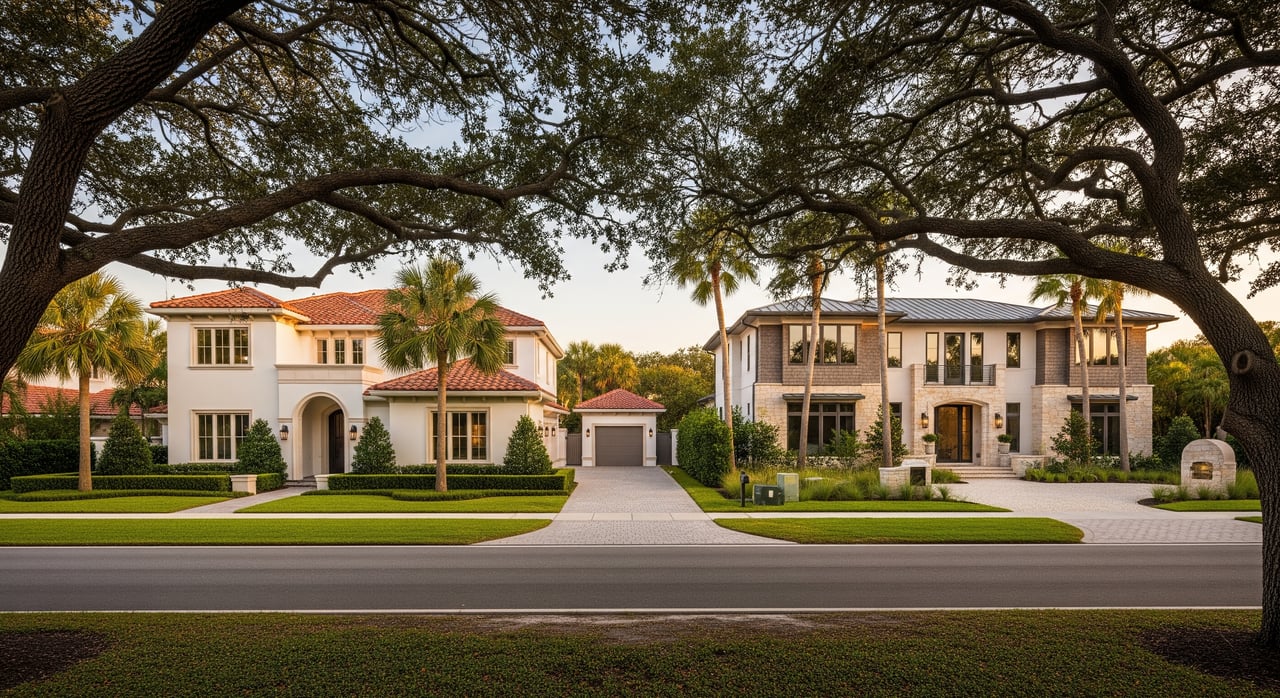
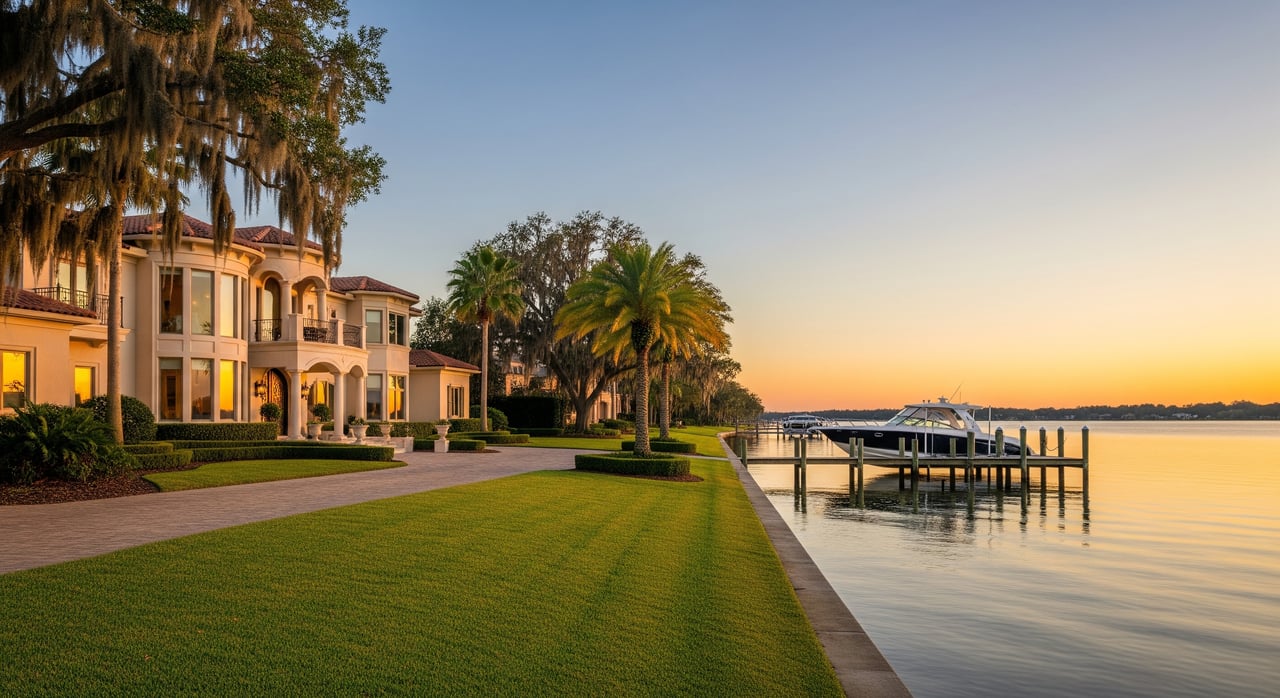
Oakland offers a quieter feel close to Lake Apopka with access to Orlando’s jobs and amenities. You will see older single-family homes, small subdivisions, and a few planned communities. Non-HOA single-family lots and homes near conservation or agricultural lands are more common than large condo complexes.
Weather and insurance matter here. Central Florida’s wind and flood exposure can influence costs and risk planning. Always check FEMA flood zones for any address and consider elevation data if a property sits near low-lying areas or lakes.
HOA vs no HOA basics
Rules and lifestyle
- HOA: You agree to covenants, bylaws, and rules that guide home exteriors, landscaping, parking, noise, and more. This can keep curb appeal consistent and protect common areas. It also limits your freedom to personalize.
- No HOA: You have more control over property changes, subject to county codes and permits. The tradeoff is less control over how neighbors maintain their homes, which can affect appearance over time.
For a deeper look at association powers and member rights, review Florida Statutes for homeowners’ associations in Chapter 720 and the condominium framework in Chapter 718. The state’s DBPR Division of Condominiums, Timeshares and Mobile Homes publishes consumer resources and guidance.
Costs and assessments
- HOA: You pay monthly or quarterly dues for common-area upkeep, amenities, management, insurance for shared areas, and reserves. Dues vary by community size and features. Associations can levy special assessments for major repairs or underfunded reserves.
- No HOA: You avoid association dues. You cover all maintenance, which can save money if needs are modest. Large expenses, like a roof, fall fully on you.
Maintenance and amenities
- HOA: Communities often handle landscaping, roads, and shared amenities like pools, gates, and playgrounds. This can reduce your time commitment and provide features you might not build on your own.
- No HOA: You manage your own yard and exterior or hire vendors directly. No shared amenities unless privately arranged with neighbors.
Property values and resale
- HOA: Standards and upkeep can help stabilize values and attract buyers who want a tidy streetscape and amenities. High fees, strict rules, or weak governance can shrink your buyer pool.
- No HOA: You may attract buyers who value flexibility and lower recurring costs. Inconsistent property care nearby can weigh on resale.
Financing and insurance
- Financing: Lenders often review HOA documents for single-family homes and will require project approvals for many condominiums. Large special assessments or pending litigation can complicate financing.
- Insurance: Associations typically insure common structures and liability for shared areas. You still need a homeowners policy for your structure and contents, and may need flood or wind coverage. Learn more about insurance markets through the Florida Office of Insurance Regulation and options through Citizens Property Insurance Corporation.
Governance and litigation
The value of any HOA depends on board competence, reserve funding, transparency, and contract oversight. Ongoing disputes or lawsuits can deter buyers, trigger special assessments, and create delays with lenders. In Florida, associations can place liens and may foreclose for unpaid assessments subject to statute. Review the governing documents and financial health early.
Local due diligence checklists
For HOA buyers
- Request the full association set: CC&Rs, bylaws, rules, recent meeting minutes, current budget, financials, and any reserve study.
- Order the resale certificate or estoppel letter that shows current dues, transfer fees, and any pending special assessments.
- Review reserves and recent capital projects. Underfunding can mean assessments ahead.
- Confirm insurance coverage for common areas and what you must insure personally.
- Check for pending or threatened litigation and how it could affect dues or lending.
- Ask how the association is managed. If managed by a company, review the agreement period and scope.
- Read architectural control processes if you plan to renovate, add a fence, or change exterior colors.
- Verify any parking, rental, or pet restrictions.
- Confirm whether roads are public or private and who maintains them.
- Check FEMA flood zones via the Flood Map Service Center and discuss flood insurance needs with your agent.
For HOA sellers
- Order required resale or estoppel documents early to avoid closing delays. Expect a fee and timelines set by statute and association procedures.
- Disclose dues, transfer fees, and special assessments accurately in your listing.
- Gather recent minutes, budget, reserve studies, insurance summaries, and bylaws for buyer review.
- If litigation exists, share available disclosures and how it may impact financing or transfer.
- Confirm payoff amounts and get a current account statement for closing.
For non-HOA properties
- Pull deed restrictions, easements, and zoning. Orange County codes and permits still apply even without an HOA.
- Confirm access and maintenance responsibilities for private or shared roads.
- Verify utilities: septic vs. sewer, well vs. municipal water, and any conservation easements or agricultural overlays.
- Check the address in FEMA flood maps and consider requesting an elevation certificate if near low-lying or lake-adjacent land.
For records and title checks, use the Orange County Property Appraiser for property details and the Orange County Clerk of Courts for recorded documents and liens.
Flood, wind and insurance in Central Florida
Central Florida’s climate adds a layer to your HOA decision. Lake-proximate and low-lying parcels can carry higher flood risk. HOA or not, you may need windstorm and flood coverage depending on the location. Always:
- Check the home’s FEMA flood zone using the Flood Map Service Center.
- Ask about prior claims and whether an elevation certificate is available.
- Price insurance scenarios early with your lender and insurance agent.
- Review what an HOA policy covers versus your personal policy obligations.
Who tends to choose what
When an HOA fits
You prefer uniform curb appeal, shared amenities, and predictable upkeep. You want lower personal time spent on exterior maintenance and value community rules that set expectations. You are comfortable with dues and processes for approvals.
When no HOA fits
You want flexibility to personalize and possibly add structures, subject to county approvals. You prefer to control your own maintenance vendors and avoid association dues. You value privacy or a more rural feel, and you accept that nearby properties may vary in upkeep.
Smart steps to compare homes
- List your must-haves and deal-breakers. Include rules tolerance, outdoor maintenance time, and desired amenities.
- Create two budget views: total monthly cost with HOA dues versus projected private maintenance.
- Ask for the latest HOA financials and minutes, or deed restrictions for non-HOA lots. Look for red flags like underfunded reserves, special assessments, or access issues on private roads.
- Check insurance and flood exposure before you fall in love with a home.
- Align timelines with HOA document delivery to avoid delays at closing.
How a local advisor helps
A local, full-service team can help you source and review HOA packages, check county records, and benchmark dues and rules against similar neighborhoods. You also get help coordinating lender questions about assessments or litigation that could affect financing. If you plan to hold a property as a rental, a property management arm can estimate operating costs with and without HOA support.
You deserve a partner who knows West Orange County and treats your goals like their own. If you are weighing HOA vs no HOA in Oakland and want clear answers, schedule time with Winter Garden Real Estate & Property Management. We will map your options, gather the right documents, and guide you from offer to closing.
FAQs
Will an HOA make my Oakland home easier to sell?
- It depends. Standards and amenities can help, but high fees or strict rules can reduce your buyer pool. Governance quality and financial health are key.
How much are HOA fees in Oakland, FL?
- Dues vary by neighborhood size and amenity level. Ask for each community’s current budget, reserve position, and any special assessments before you decide.
Can an HOA place a lien or foreclose in Florida?
- Florida law allows associations to lien and, in many cases, pursue foreclosure for unpaid assessments under Chapter 720 and related statutes.
Do HOAs affect FHA or VA financing?
- Condominiums often require project-level approval for FHA/VA. For single-family homes, lenders review association documents and assessments. Large unresolved issues can impact approval.
Who handles roof or exterior upkeep?
- In HOAs, it depends on the governing documents. Some cover landscaping only, others handle exterior paint or roofs. In non-HOA homes, you pay for all upkeep directly.
Where can I check flood risk for an Oakland address?