

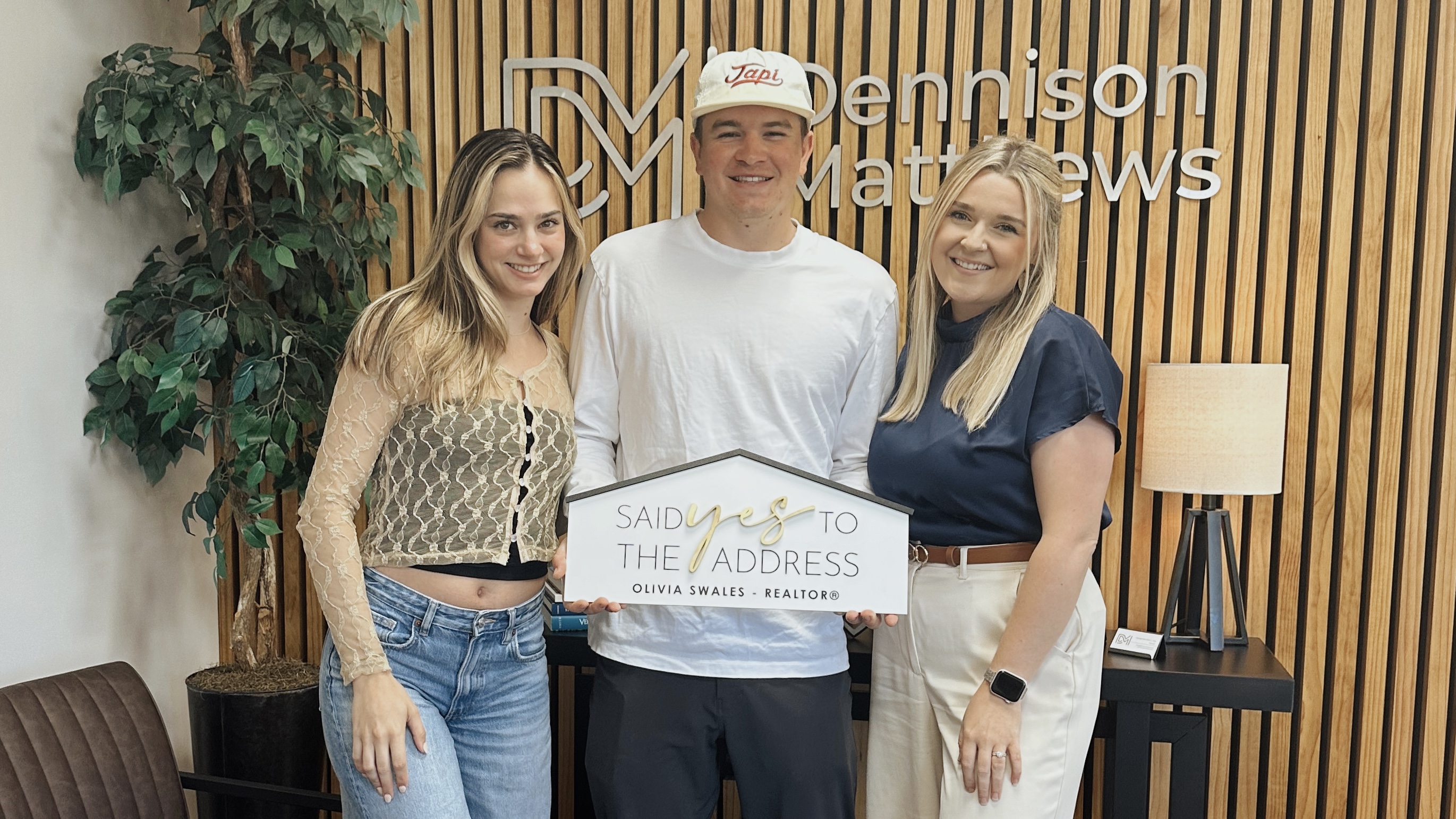
Buying your first home is one of the biggest milestones in your life—and it can also feel overwhelming. Between mortgages, inspections, down payments, and endless advice from friends and family, it's hard to know where to start.
The good news? Buying a home doesn't have to be stressful when you have the right team guiding you.
Whether you're looking to buy in Winter Garden, Horizon West, Clermont, Apopka, Windermere, or anywhere in Central Florida, here are the ten things every first-time homebuyer should know before starting the process.
One of the biggest mistakes first-time buyers make is browsing homes before speaking with a lender.
A mortgage pre-approval tells you:
In today's competitive market, sellers are much more likely to accept offers from buyers who are already pre-approved.
Pro Tip: A pre-approval doesn't lock you into using that lender. It simply gives you a clear starting point.
Many people believe they need a 20% down payment to buy a home.
In reality, many loan programs allow much less.
Depending on your situation, you may qualify for:
Every buyer's situation is different, so it's worth exploring all your options.
Your monthly mortgage payment isn't the only cost of homeownership.
You'll also want to budget for:
Planning ahead helps prevent financial surprises after closing.
Once you're under contract, your lender will continue reviewing your finances.
Avoid:
Even small financial changes can affect your loan approval.
Even beautiful homes can have hidden issues.
A professional inspection can uncover problems with:
The inspection gives you the opportunity to negotiate repairs, request credits, or simply understand exactly what you're purchasing. Even new construction homes should have a 3rd party inspection. You can then present your inspection to the builder for them to rectify before closing.
It's easy to focus on what works today, but try to think three to five years ahead.
Ask yourself:
Buying with the future in mind can save you from moving sooner than expected.
Your final walkthrough happens shortly before closing. Depending on the time of day of your closing it will usually happen on the day of or the day before.
This is your chance to confirm:
It's an important final step before you officially become the owner.
A lower purchase price doesn't always mean lower costs.
Consider:
Sometimes spending slightly more upfront can save thousands over the next several years.
Buying your first home is about more than unlocking the front door.
A good Realtor will:
Your goal should be feeling confident—not confused. Even if you are purchasing a new construction home, it's a great idea to have a Realtor on your side. Buying directly from the builder is like buying directly from the selling agent. They won't necessarily negotiate the hardest and get you the best deal.
Trying to perfectly time the market rarely works. A lot of people end up saying "I'll do X when the market changes," and end up chasing a "changing market" forever.
Instead, focus on buying when:
Owning a home allows you to build equity over time instead of paying someone else's mortgage through rent.
Buying your first home should be exciting—not overwhelming.
If you're thinking about purchasing a home in Winter Garden, Horizon West, Clermont, Apopka, Windermere, or anywhere in Central Florida, we'd be happy to walk you through the process, answer your questions, and help you find the right home at the right price.
Ready to get started? Contact us today for a free, no-obligation buyer consultation.


Winter Garden Real Estate & Property Management is a family-owned boutique brokerage proudly recognised as one of Orlando's Top 3 Best Brokerages in 2024. From buying and selling to full-service property management, we deliver hands-on, relationship-driven results for homeowners and investors across Central Florida.


